
 arabic
 french
 russia
 spanish

When it comes to balconies, safety is paramount. With the right railing and measurements, an outdoor balcony can be a comfortable and relaxing addition to any home. Unfortunately, there are many things you need to consider when measuring for the right railing. From local building codes to the size of materials available, it’s important that you get your measurement right the first time so you don’t run into issues down the line. In this article, we will explore what needs to be considered when measuring a balcony for railing. Read on to learn more about how to ensure your outdoor living space is safe and secure.
What is the standard balcony railing height?
The standard balcony railing height is 36 inches. This measurement is taken from the top of the rail to the floor of the balcony. The reason for this standard is to provide a safe and secure barrier between the balcony and the ground below.
How to measure a balcony railing?
When measuring for a balcony railing, you will need to take into account the width of the balcony, the height of the railing, and the distance from the edge of the balcony to the center of the posts.
1. To determine the width of the balcony, measure from one end of the balcony to the other. The width will be determined by how many posts you will need for your particular railing design. For example, if you are using a 4-inch post, you will need one post for every two feet of balcony width.
2. To determine the height of the railing, measure from the top of the deck or flooring material to where you want the handrail to end. The standard height for a residential railing is 36 inches, but this can vary depending on your personal preference or building code requirements.
3. To determine the distance from the edge of the balcony to the center of each post, measure out from each end of the planned route for your posts. This measurement is important because it ensures that your posts are spaced evenly and that your railings are level when installed.
What is the most common balcony railing material?
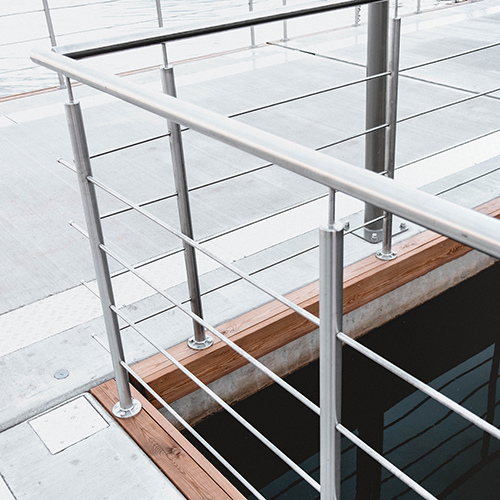
There are many different balcony railing materials available on the market, but the most common material is aluminum. Aluminum is a durable and low-maintenance material that can be used in a variety of applications, including balconies. It is also relatively easy to install, making it a popular choice for homeowners.
How to install a balcony railing?
Assuming you have the measurements for your balcony, you will need to purchase the materials for your railing.
To install a balcony railing, you will need:
- Rails: the horizontal pieces that make up the frame of the railing
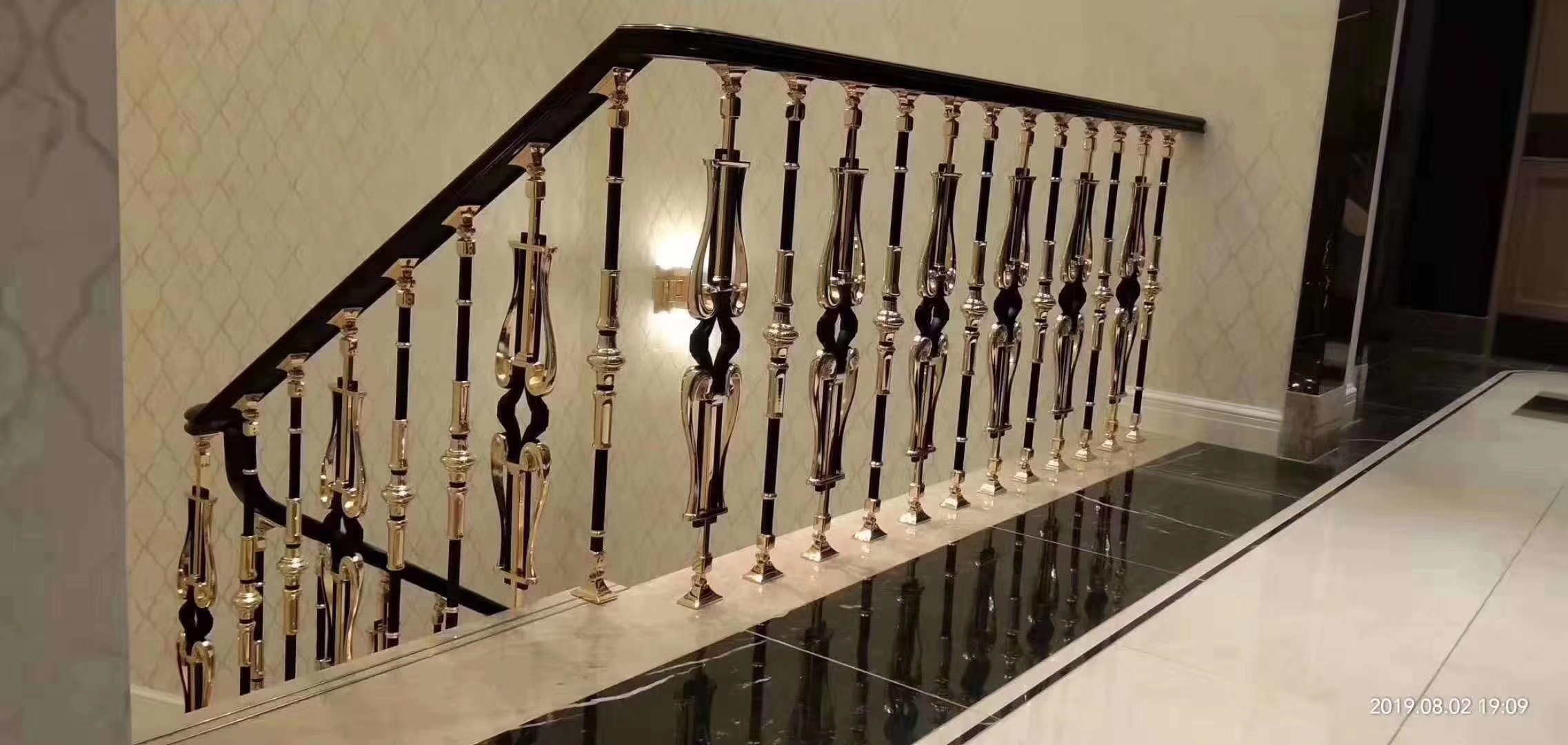
- Balusters: the vertical pieces that support the rails
- Post caps: optional decorative pieces that go on top of the posts
- Newel posts: the posts at the corners of the balcony that provide extra support
You will also need tools for installation, including a drill, saw, and screws. Once you have all of your materials and tools ready, follow these steps:
1. Measure and mark where you want your rails to go. Use a level to make sure they are even.
2. Cut your rails to size and screw them into place.
3. Attach your balusters to the rails using screws or brackets. Make sure they are evenly spaced.
4. Add your post caps and newel posts. Decorate as desired!
Conclusion
The measurement of the balcony for the railing is an important factor to consider when making a decision. The size of the railing must be in compliance with local building codes, and any extensions or decorations must not interfere with its structural integrity. It's also essential to measure carefully so that you can purchase the right length and width of material at once without having to return it multiple times. With careful planning, your balcony railing will look great while providing safety and security for many years to come.