
 arabic
 french
 russia
 spanish
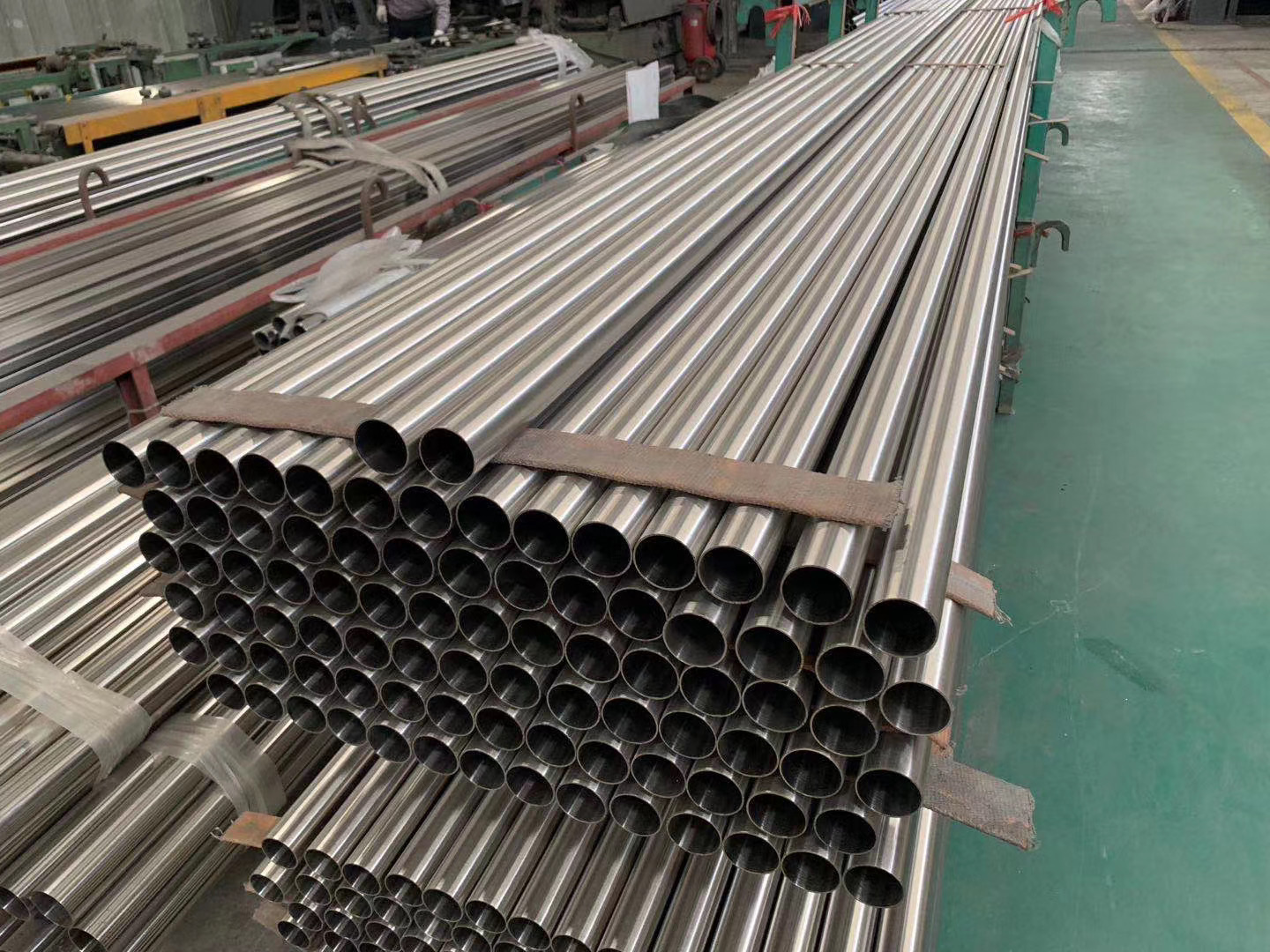
Stainless steel technology is revolutionizing the way we make and use products. From aerospace to residences, stainless steel has become a ubiquitous material, with its application in various industries and applications. With its versatility, durability, and cost-effectiveness, stainless steel has made it possible for manufacturers to produce high quality products faster and more efficiently. In this blog post, we will explore the various aspects of stainless steel technology and how it is being utilized in today's industry. We will also discuss some of the benefits of using stainless steel for production purposes, as well as potential issues that could arise from its use.
What is stainless steel?
Stainless steel is an alloy of iron and chromium, and is used in a variety of applications where corrosion resistance and durability are required. Stainless steel is available in a wide range of grades and finishes, and can be fabricated into a variety of products, including kitchenware, automotive parts, and medical devices.
The different types of stainless steel
There are over 150 grades of stainless steel, each with unique physical and chemical properties. These grades can be categorized into five groups: austenitic, ferritic, martensitic, precipitation hardening, and duplex.
Austenitic: Austenitic stainless steels are the most widely used type of stainless steel. They contain at least 16% chromium and 6% nickel. They are non-magnetic and cannot be heat treated. Common grades include 304/304L and 316/316L.
Ferritic: Ferritic stainless steels are magnetic and have a lower carbon content than austenitic stainless steels. They are typically used in automotive applications and kitchenware. Common grades include 409/409L and 430/430L.
Martensitic: Martensitic stainless steels are magnetic and have a higher carbon content than austenitic stainless steels. They can be heat treated for increased hardness but are not as corrosion resistant as austenitic stainless steels. Common grades include 410/410S and 416/416S.
Precipitation Hardening: Precipitation hardening (PH) stainless steels are heat treatable for high strength but must be aged after heat treatment to achieve optimum properties. They typically contain 17-27% chromium, 10-13% nickel, 4-6% copper, 0.3-1% molybdenum, and other alloying elements such as man
The pros and cons of stainless steel
There are both pros and cons to using stainless steel. On the plus side, stainless steel is very durable and resistant to corrosion. It is also easy to clean and maintain. On the downside, stainless steel can be expensive, and it is not as strong as some other metals.
How to care for stainless steel appliances
To keep your stainless steel appliances looking their best, follow these simple tips:
-Wipe up spills and fingerprints as soon as they happen. A microfiber cloth is the best tool for the job.
-Avoid using harsh cleaners or scrubbing pads, which can scratch the surface. Instead, opt for a mild soap and water solution or a specialty stainless steel cleaner.
-For tougher stains, make a paste out of baking soda and water and apply it to the affected area. Let it sit for a few minutes before wiping it away with a damp cloth.
-Never use abrasive cleaners or scouring pads on stainless steel. Doing so will damage the finish and leave it susceptible to rusting.
Conclusion
In conclusion, we can see that stainless steel technology AFP is an innovative new way of producing high-quality steel products. Not only does the process deliver a superior product, but it also comes with numerous environmental benefits and cost savings. The process has been rapidly adopted by many companies around the world, who are now able to produce even higher quality products while reducing their carbon footprint and saving money in energy efficiency. Stainless steel technology AFP is truly revolutionizing the way we think about metal production!