
 arabic
 french
 russia
 spanish
Introduction
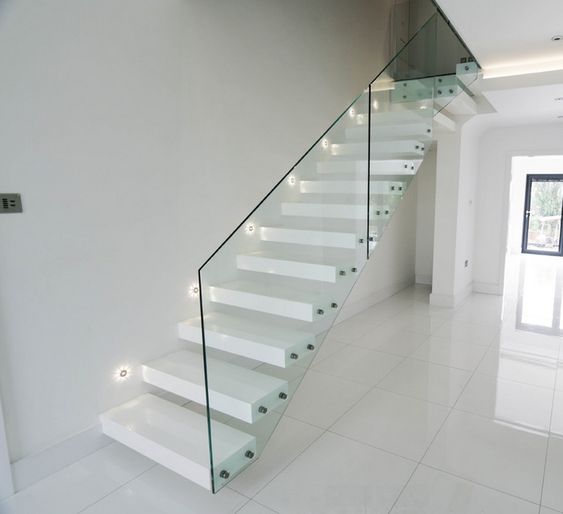
Staircases are a foundational part of any building, and they must be constructed carefully and precisely to be safe and effective. Straight staircases are especially popular when space is limited, but they require detailed measurements in order to ensure that the staircase fits properly and meets safety regulations. Whether you’re an experienced contractor or a DIY enthusiast looking to build your own staircase, understanding the necessary data points for constructing a straight staircase is essential. In this blog post, we’ll look at what kind of data is required to build a safe and secure straight staircase.
The necessary data for a straight staircase
When it comes to designing a staircase, there are certain pieces of data that you will need in order to create a straight staircase. This data includes the rise, run, width, and angle of the staircase. Without this data, it would be not easy to create an accurate staircase.
How to calculate the necessary data
When it comes to designing a staircase, there are many factors to consider. One important factor is the amount of data you need to calculate in order to create an accurate and functional design.
Some of the key data points you need to take into account when designing a staircase include:
-The rise of each step (the vertical height from one step to the next)
-The run of each step (the horizontal depth from one step to the next)
-The width of the staircase
-The angle of the staircase (if it's not a straight staircase)
In addition to these key data points, you'll also need to consider other factors such as headroom clearance, landing requirements, handrail requirements, and more. Once you have all of this information, you can start putting together your staircase design.
The benefits of a straight staircase
A straight staircase is one of the most efficient and space-saving designs for a staircase. They are also some of the easiest to install and require less maintenance than other types of staircases. Additionally, straight staircases offer a variety of benefits including:
• Easy to use: Straight staircases are one of the easiest types of staircases to use. There are no turns or landings to negotiate, making them ideal for people with mobility issues or who have difficulty using stairs.
• Space-saving: Straight staircases take up less space than other types of staircases such as spiral or winding staircases. This can be beneficial if you have limited space in your home or office.
• Less maintenance: Straight staircases require less maintenance than other types of staircases. There are no nooks or crannies for dirt and dust to accumulate, making them easier to keep clean. Additionally, straight staircases are less likely to suffer from wear and tear since there are no complex curves or angles.
The drawbacks of a straight staircase
There are a few drawbacks to having a straight staircase in your home. One is that they can be more difficult to clean than other types of stairs. They also can be more dangerous, as there is no landing between the top and bottom of the staircase, so if someone falls, they could fall all the way down. Finally, straight staircases can be less aesthetically pleasing than some other types of stairs.
Conclusion
In conclusion, when building a straight staircase, it is important to consider factors such as the rise and run size, the treads and risers materials, and even your stair railing needs in order to ensure that you create an aesthetically pleasing and safe structure. With careful planning and accurate measurements of all necessary data points, you can create a beautiful staircase for whatever space you are working with.