
 arabic
 french
 russia
 spanish

Railings are an essential component in any home or business. Railings provide safety, security, and aesthetic value to a space. Whether you’re looking to install new railings or make changes to existing ones, it’s important to understand the basics of railing design and installation. In this blog post, we'll cover everything you should know about railings, from materials and styles to installation processes. Armed with this knowledge, you can make the best decisions for your space and get the most out of your railing investment.
What is the railing?
When it comes to your home, the railing is an important feature. Not only does it add to the aesthetics of your property, but it also provides a safety function. If you have a deck or porch, you want to make sure that your railing is up to code and in good condition. Here are some things you should know about the railing:
The railing is the vertical support system that runs along the edge of a deck or porch. It can be made from a variety of materials, including wood, metal, or composite.
The purpose of the railing is twofold: first, it provides a barrier to prevent people from falling off the edge of the deck or porch; second, it adds to the overall aesthetic of the property.
There are building codes in place that dictate how high a railing must be and what materials can be used. Be sure to check with your local building department for specific requirements in your area.
Regular maintenance is important for keeping your railing in good condition. Inspect it regularly for signs of wear and tear, and make repairs as needed.
The Different types of railings
There are many different types of railings available on the market. Each type has its own set of benefits and drawbacks. Here is a brief overview of the most popular types of railings:
Wooden Railings: Wooden railings are a classic choice. They are relatively inexpensive and easy to install. However, they require regular maintenance and can be damaged by weather or insects.
Metal Railings: Metal railings are more durable than wooden ones, but they are also more expensive. They are a good choice for areas that see a lot of traffic or weather damage.
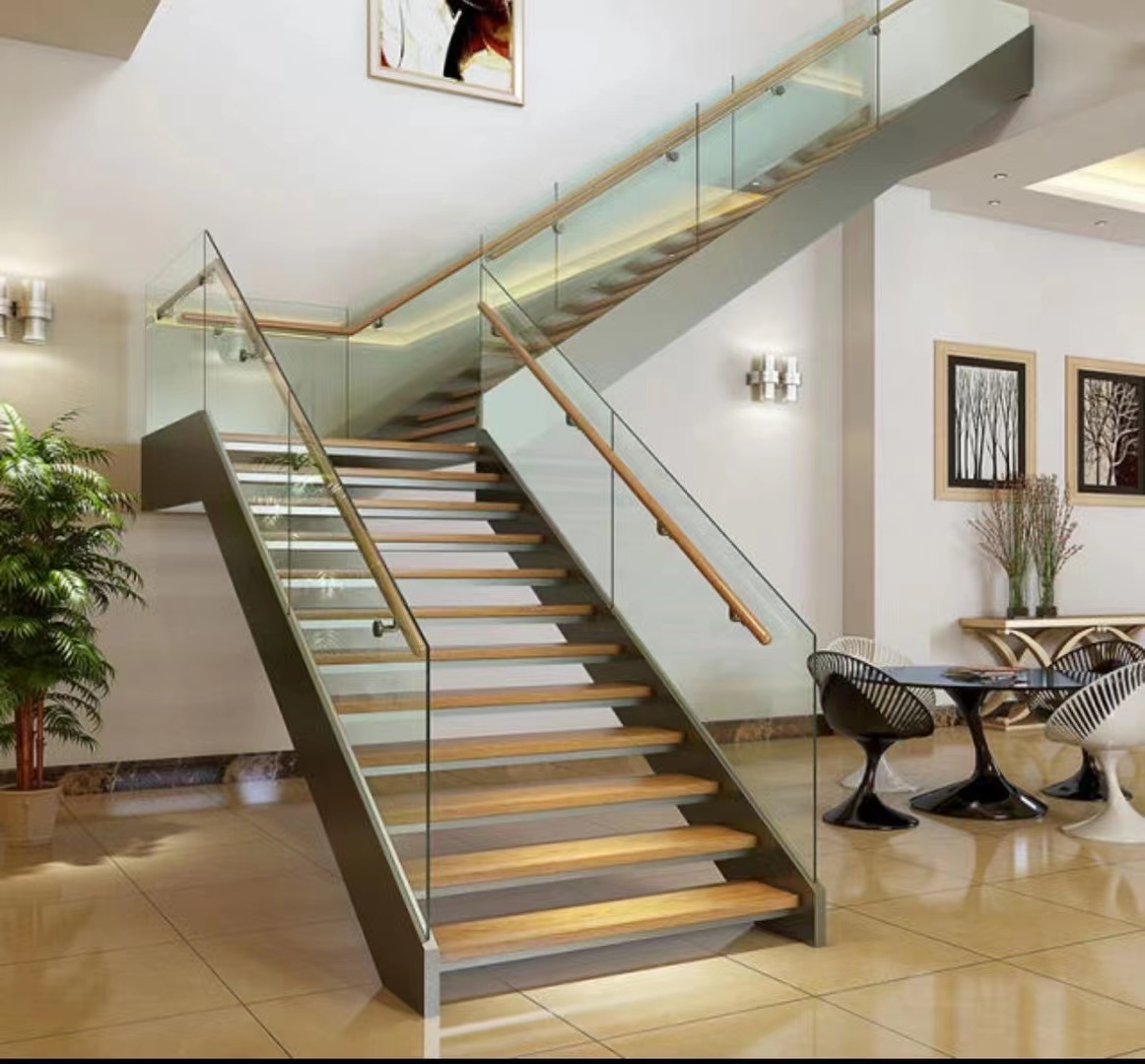
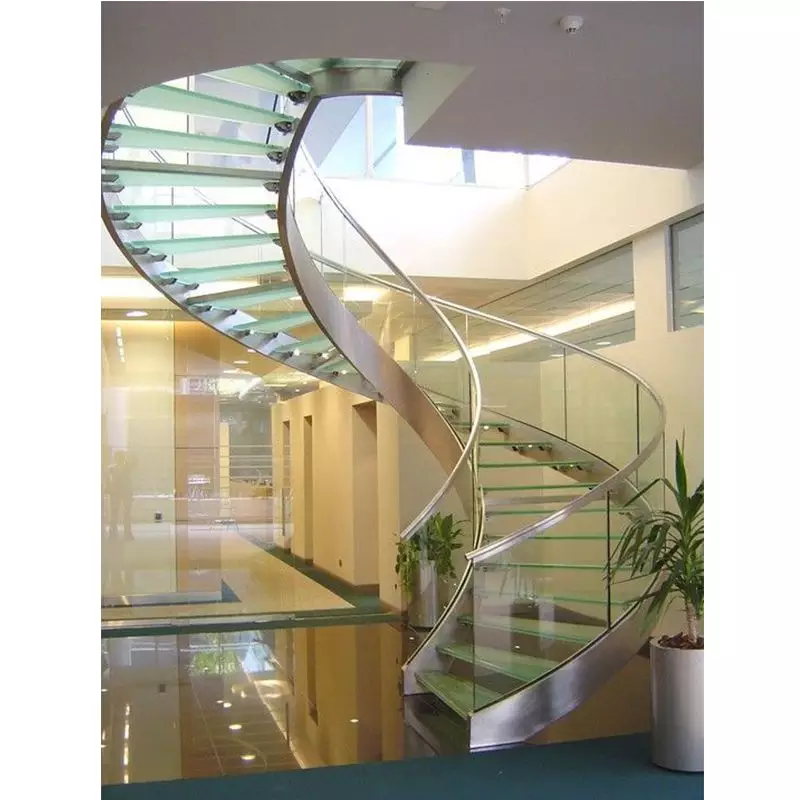
Glass Railings: Glass railings offer a modern look and can be customized to fit any space. However, they are more expensive than other options and can be difficult to clean.
Plastic Railings: Plastic railings are a budget-friendly option that is easy to install and low maintenance. However, they are not as durable as other materials and may not be suitable for all climates.
The pros and cons of railings
If you're considering adding railings to your home, there are a few things to keep in mind. Railings can be both a pro and a con, depending on your specific needs. Here are a few of the pros and cons of railings to help you make your decision:
Pros:
-Railings can add safety and security to your home. If you have young children or pets, railings can help prevent them from falling down stairs or off balconies.
-They can also be used as decorative elements, and can enhance the overall look of your home.
-Railings can provide support for people who need assistance walking up or down stairs.
Cons:
-Railings can be costly to install and maintain.
-They can also be an obstacle if you have large pieces of furniture that you need to move around.
-If not installed properly, railings can become loose over time and pose a safety hazard.
How to properly install a railing
When installing a railing, it is important to take into account the following factors:
- The height of the railing: The railing should be installed at a height that is comfortable for users and meets code requirements.
- The width of the stairway: The width of the stairway will determine the size and spacing of the railings.
- The type of material: There are many different materials that can be used for railings, including wood, metal, and composite. Each material has its own benefits and drawbacks, so it is important to choose one that will best meet your needs.
- The style of the staircase: The railing should complement the style of the staircase. For example, a traditional staircase would look out of place with a modern railing.
- The budget: Railings can range in price from very affordable to quite expensive. It is important to set a budget before beginning your search so that you do not overspend.
How to maintain a railing
Assuming you're referring to a wooden railing, here are a few tips on how to maintain it:
1. Inspect your railing regularly. Check for any cracks or splinters and repair or replace any damaged parts as soon as possible.
2. Keep your railing clean and free of debris. Regularly sweep it and wash it down with soap and water as needed.
3. Apply a fresh coat of paint or stain every few years to keep your railing looking its best.
4. If you live in an area with harsh weather conditions, take extra care to protect your railing from the elements. Consider using a sealant or weatherproofing agent to help prolong its life.
Conclusion
Railings come in a variety of styles, shapes and sizes and it is important to choose the right one to suit your needs. Whether you are looking for something ornate or functional, there is a railing that will fit the bill. Knowing what materials they are made from, how much maintenance they require and where to look for quality pieces are all essential pieces of information that you should keep in mind when shopping around for railings. With these tips at hand, your search for the perfect railing should be much easier!