
 arabic
 french
 russia
 spanish
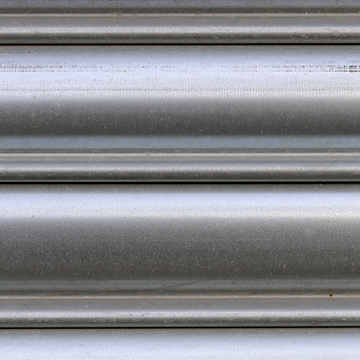
Stainless steel is a popular material for many products, thanks to its durability and resistance to corrosion. But how is this metal made? In this article, we'll take a look at the process of creating stainless steel, from its raw ingredients to the finished product.
AFP is anti-fingerprints
If you're looking for a material that is both strong and beautiful, then look no further than stainless steel. This material is perfect for those who want to create a modern look in their home. One of the best features of stainless steel is that it is AFP (anti-fingerprints). This means that you won't have to worry about fingerprints smudging your beautiful surfaces.
metallic products sometimes would do in anti-fingerprints technology
Stainless steel is a popular material for many products because it is durable and has a pleasant appearance. However, one drawback of stainless steel is that it can show fingerprints and smudges more easily than other materials.
Fortunately, there is a type of stainless steel that has been treated with an anti-fingerprint coating. This coating helps to resist fingerprints and smudges, making the stainless steel surface easier to clean.
If you are looking for a stainless steel product that is less likely to show fingerprints, look for one that has been treated with an anti-fingerprint coating.
the advantages of anti-fingerprints
If you're looking for a material that is both strong and resistant to fingerprints, then stainless steel is the perfect choice. This material is often used in high-end appliances and cookware, as it provides a sleek, professional look. In addition, stainless steel is easy to clean and maintain.
What is stainless steel?
Stainless steel is a type of iron-based alloy that contains chromium. This makes it resistant to rust and corrosion, which is why it's often used in kitchen appliances, sinks, and other items where durability is important. Stainless steel is also non-magnetic, so it can't be used in applications where that property is needed.
How is stainless steel made?
Stainless steel is an alloy of iron, chromium, and nickel. The chromium in the alloy reacts with oxygen in the air to form a thin film of chromium oxide. This film is what makes stainless steel resistant to corrosion. Nickel is added to the alloy to improve its resistance to corrosion and to make it harder.
What are the benefits of stainless steel?
If you're looking for a durable, low-maintenance material for your kitchen appliances or countertops, stainless steel is an excellent choice. This versatile metal is resistant to rust, staining, and scratches, and it's easy to clean. Stainless steel also has a modern look that can complement any kitchen design.
There are several grades of stainless steel, but the two most common are 304 and 316. 304 stainless steel is the most widely used type, due to its combination of corrosion resistance, weldability, and formability. 316 stainless steel is ideal for environments where corrosive chemicals are present, such as saltwater or marine applications.
If you're considering stainless steel for your next project, be sure to consult with a professional to determine the best grade and finish for your needs.
What are some applications of stainless steel?
Stainless steel is used in a wide variety of applications, including:
-Food preparation and storage
-Cookware
-Sinks and taps
-Architectural features
-Medical equipment
-Vehicle exhaust systems
-and many more!
Conclusion
The use of stainless steel in AFP technology is a game-changer for the food and beverage industry. By using this material, we can create products that are more resistant to corrosion and have a longer shelf life. This means that our customers can enjoy their favorite products for longer, and we can reduce waste by eliminating the need for constant replacement.