
 arabic
 french
 russia
 spanish
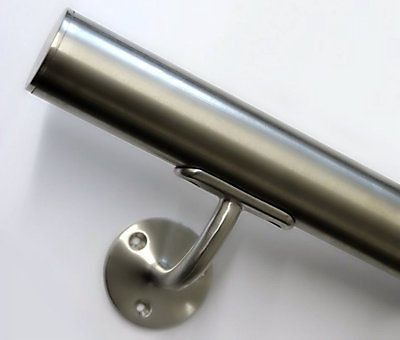
Stainless steel is a popular material in various industries due to its durability, corrosion resistance, and strength. Two of the most commonly used grades of stainless steel are 304# and 316#. While both are excellent choices for many applications, there are some differences between the two. In this article, we'll compare 304# stainless steel and 316# stainless steel to help you make an informed decision about which one to use for your project.
Composition
One of the primary differences between 304# and 316# stainless steel is their composition. 304# stainless steel contains 18% chromium and 8% nickel, while 316# stainless steel contains 16% chromium, 10% nickel, and 2% molybdenum. The addition of molybdenum to 316# stainless steel provides better corrosion resistance in harsh environments, such as those with high levels of chloride or other corrosive chemicals.
Corrosion Resistance
Both 304# and 316# stainless steel are corrosion-resistant, but 316# stainless steel offers better resistance to corrosion in harsh environments. This is due to the addition of molybdenum, which enhances the alloy's ability to resist pitting and crevice corrosion. In marine environments or areas with high chloride content, 316# stainless steel is often the preferred choice.
Strength and Hardness
While both 304# and 316# stainless steel are strong and durable, 316# stainless steel is slightly stronger and harder than 304# stainless steel. This is due to the addition of molybdenum, which provides better overall strength and hardness to the alloy. This makes 316# stainless steel a better choice for applications that require higher strength and durability.
Heat Resistance
Both 304# and 316# stainless steel are heat-resistant, but 316# stainless steel offers better heat resistance than 304# stainless steel. This is due to the addition of molybdenum, which helps to maintain the alloy's strength and durability at higher temperatures. 316# stainless steel is often used in high-temperature applications, such as in chemical processing or in exhaust systems.
Cost
The cost of 304# and 316# stainless steel can vary depending on a number of factors, including the size of the project, the complexity of the design, and the quantity of material required. Generally, 316# stainless steel is more expensive than 304# stainless steel due to the addition of molybdenum, which is a more expensive alloying element.
Conclusion
In summary, both 304# and 316# stainless steel are excellent choices for many applications. 316# stainless steel is preferred in harsh environments, such as those with high chloride content or other corrosive chemicals, due to its superior corrosion resistance. 316# stainless steel is also slightly stronger, harder, and more heat-resistant than 304# stainless steel. However, 304# stainless steel is a more cost-effective option for projects that don't require the added benefits of 316# stainless steel. Ultimately, the choice between the two alloys will depend on the specific needs of your project and your budget.