
 arabic
 french
 russia
 spanish
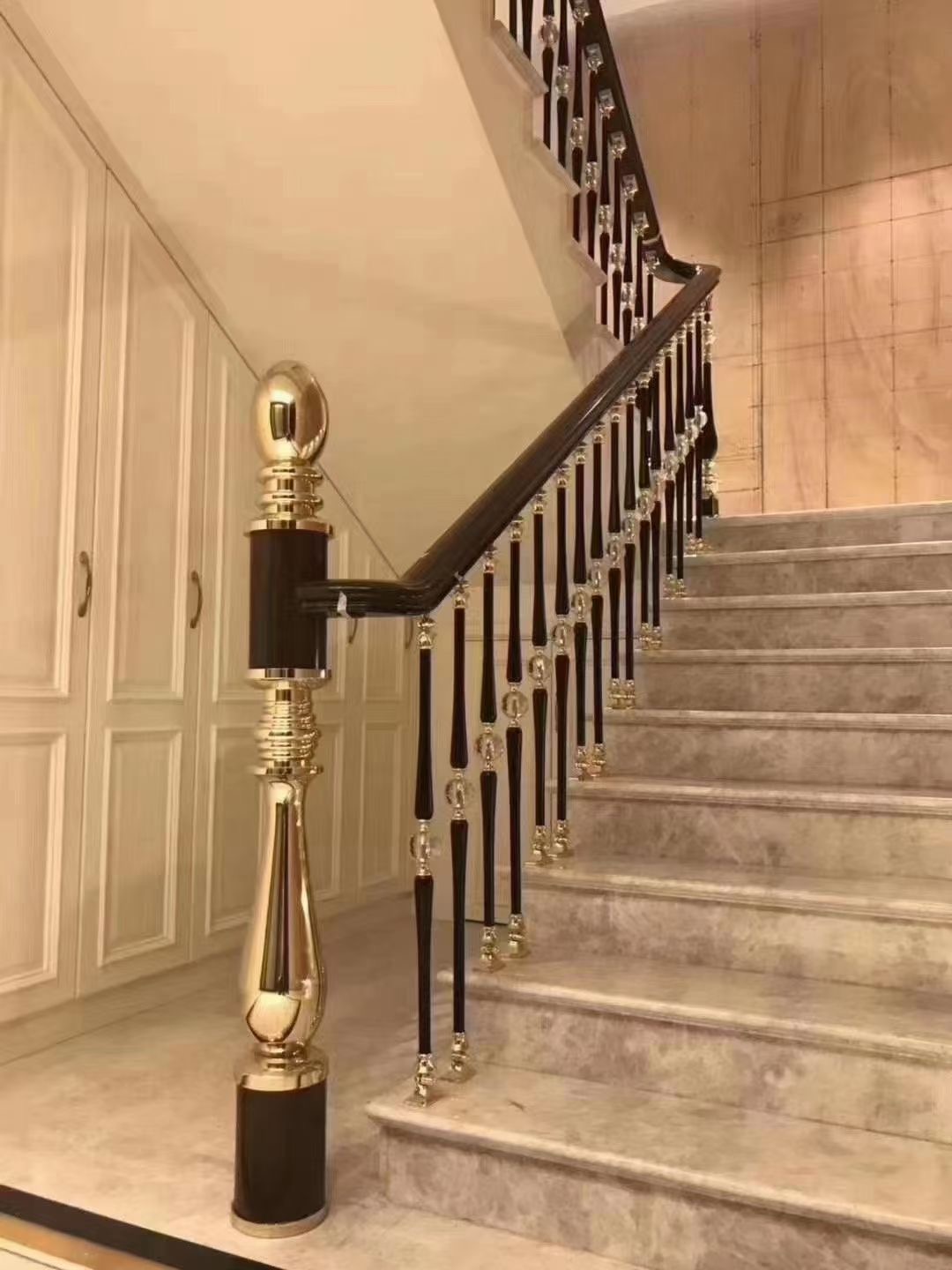
A balustrade is a railing supported by balusters, especially one forming an ornamental parapet to a balcony, bridge, or terrace.
usage for balustrade
If you are looking for a railing for your deck, porch, or balcony, you may want to consider a balustrade. A balustrade is a railing that consists of posts and rails, with decorative elements called spindles in between. Balustrades can be made from a variety of materials, including wood, metal, and glass.
When choosing a balustrade for your home, it is important to consider the overall style of your property. For example, if you have a traditional home, you may want to choose a balustrade made from wood or metal. If you have a modern home, you may want to choose a balustrade made from glass or metal. You should also consider the height of the railing and the spacing of the spindles to ensure that it meets your safety needs.
style for balustrade
A balustrade, or railing, is an important safety feature in any home. But that doesn't mean it can't also be stylish! There are a variety of ways to style a balustrade to fit your home's aesthetic.
One popular option is to use decorative posts with detailed scrollwork or carvings. This can add a touch of elegance to any space. For a more modern look, consider using simple, clean lines and geometric shapes.
You can also get creative with the material you use for your balustrade. Wood and metal are both classic choices, but glass or acrylic panels can also add visual interest. And don't forget about color! A pop of color can really make your railing stand out.
No matter what your style, there's a way to incorporate a beautiful and functional balustrade into your home.
how to install balustrade
Installing a balustrade can be a simple and elegant way to finish off a deck, porch, or other outdoor space. Here are some tips on how to install balustrade:
1. Decide on the type of balustrade you want to install. There are many different types of balustrades available on the market, so it is important to choose one that will complement the style of your home.
2. Measure the area where you will be installing the balustrade. This will ensure that you purchase the correct amount of material.
3. Cut the materials to size and then assemble the balustrade according to the manufacturer's instructions.
4. Install the balustrade by attaching it to a secure surface such as a wooden post or concrete footing. Make sure that the connection is strong and secure before moving on to the next step.
5. Finish off the installation by adding any final touches such as trim or paint.
what material for balustrade
When it comes to choosing a material for your balustrade, there are a few things to consider. The first is the look you want to achieve. Are you going for a modern or traditional look? Second is maintenance. Some materials require more upkeep than others. And finally, cost is always a factor. Here are some common materials used for balustrades and their pros and cons:
Wood: Wood is a classic choice for balustrades and railings. It has a warm, natural look that can complement any style of home. Wood is also relatively easy to maintain, although it may need to be refinished or repainted every few years to keep it looking its best. The biggest downside of wood is that it can be one of the more expensive options.
Aluminum: Aluminum is a popular choice for both indoor and outdoor railings because it's durable and low-maintenance. It won't rust or rot, and it's easy to keep clean with just a little soap and water. Aluminum balustrades can also be powder-coated in any color you like, so they're very versatile. The only downside is that they're not as strong as some other materials, so they might not be suitable if you have young children or pets who could potentially damage them.
Glass: Glass railings offer a sleek, modern look that can really make a design statement. They're also very strong and durable, making them ideal for safety