
 arabic
 french
 russia
 spanish
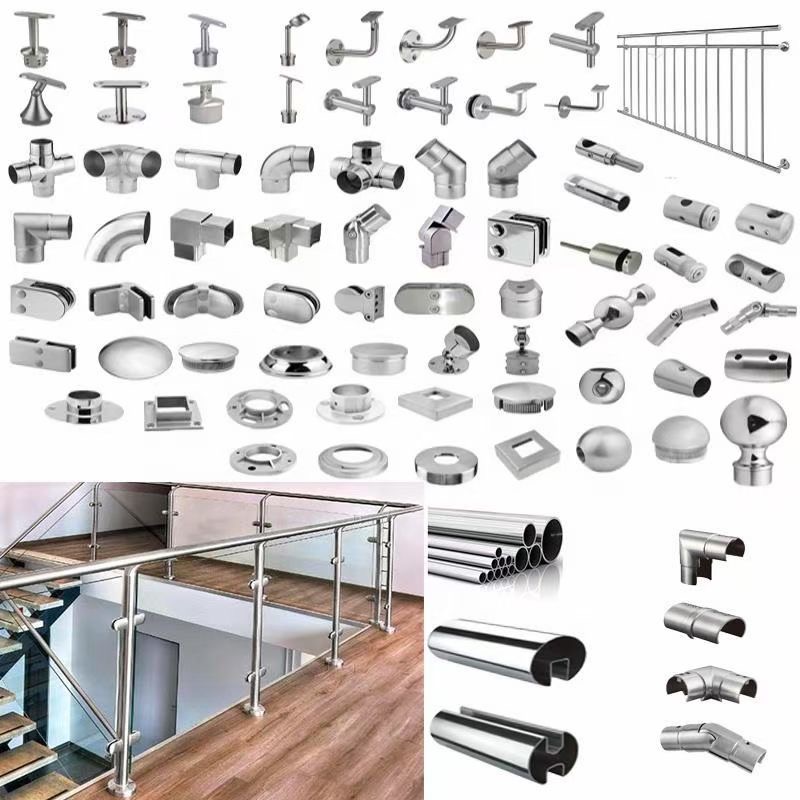
The process of choosing the right fittings for your stainless steel railing can be daunting. With so many options available on the market, it’s difficult to know where to start. But don’t worry, we’re here to help. In this blog post, we’ll walk you through the process of choosing the perfect fittings for your stainless steel railing project, from start to finish. We’ll cover everything from material considerations to installation tips so that you can rest assured knowing your railing will look great and function properly for years to come.
The Middle Connection
There are many different types of stainless steel railing fittings available on the market today. Choosing the right fitting for your application can be a daunting task. The middle connection is one of the most important aspects of any stainless steel railing system. It is the point where the rails connect to the posts and ultimately support the weight of the entire system. There are a few factors to consider when choosing the right middle connection for your project.
The first factor to consider is the weight capacity of the fitting. The middle connection must be able to support the weight of the entire railing system, including any additional loads that may be placed on it (such as wind load or snow load). Make sure to choose a fitting that has a high weight capacity rating.
The second factor to consider is the type of joint that will be used at the middle connection. There are two main types of joints used in stainless steel railings: welded joints and mechanical joints. Welded joints provide a stronger connection than mechanical joints, but they are also more difficult to install. If you are not experienced in welding, it is best to choose a fitting with a mechanical joint.
The third factor to consider is the finish of the fitting. The finish of the fitting should match or complement the finish of the rest of your railing system. There are many different finishes available, so make sure to choose one that will work well with your other components.
Once you have considered all of these factors, you
The Elbow
There are many different types of stainless steel railing fittings available on the market today. One popular type is elbow fitting. Elbow fittings are used to connect two pieces of pipe or tubing at an angle, usually at a 90-degree angle. Elbow fittings are available in a variety of sizes and styles to fit your specific needs.
The End Cap
There are several different types of end caps for stainless steel railings. The most common is the flat-end cap, which is simply a flat piece of stainless steel that is welded onto the end of the railing. There are also round end caps, which are similar to the flat end caps but have a rounded edge. Finally, there are square end caps, which are square pieces of stainless steel that fit over the ends of the railing.
The Wall Flange
The wall flange is a fitting that is used to attach the stainless steel railing to the wall. There are many different types of wall flanges available, and the type that you will need will depend on the type of railing that you have. The most common type of wall flange is the surface-mounted flange, which is attached to the wall with screws. There are also flush-mounted flanges, which sit flush with the wall, and recessed-mounted flanges, which are recessed into the wall.
The Handrail Bracket
If you are looking for a sleek, modern look for your stainless steel railing, the handrail bracket is a perfect choice. This fitting attaches the handrail to the wall, providing support and stability. With a variety of styles to choose from, you can find the perfect handrail bracket to complement your railing system.