
 arabic
 french
 russia
 spanish
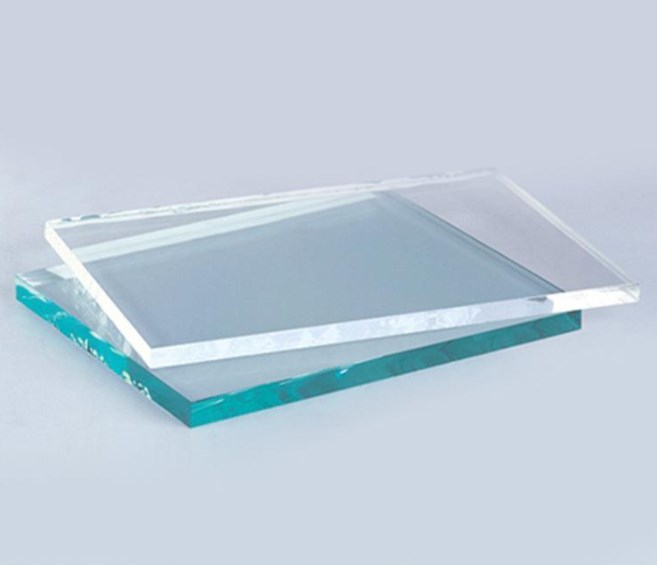
There are many factors to consider when choosing the thickness of your glass railing. The three most important factors are wind load, span, and durability.
the common glass thickness of the glass railing is 12mm
The glass railing is a great option for those who want to have an elegant and modern look in their home. But what is the common glass thickness of the glass railing?
The most common glass thickness for the glass railing is 12mm. This thickness is enough to provide strength and durability, while still allowing for a clear view.
Glass railings are also available in other thicknesses, such as 10mm or 8mm. However, these thinner options are not as durable and may not provide the same level of safety as a thicker glass railing.
When choosing a glass thickness for your railing, it is important to consider both the glass's strength and clarity. Thicker glass will be more durable and provide a better view, but it may be more difficult to clean. A thinner glass may be easier to clean, but it may not be as strong or clear.
Overall, the most common glass thickness for the glass railing is 12mm. This thickness provides a good balance between strength and clarity.
according to the situation, sometimes will have 6+6mm glass railing
There are many reasons why people might want to use 6+6mm glass railing. The most common reason is safety. This is because the thicker glass is much less likely to break and cause injury.
Another reason why people might choose 6+6mm glass railing is because it looks more luxurious and expensive. This is because the thicker glass has a higher quality appearance.
However, there are some downsides to using 6+6mm glass railing. One of the biggest downsides is that it can be more difficult to clean. This is because the thicker glass can trap dirt and dust more easily.
Overall, 6+6mm glass railing has both pros and cons. It is important to weigh these factors before deciding whether or not to use this type of glass railing.
also, 10mm thickness glass is popular too
There are two main types of glass used in railing systems, float glass, and laminated glass. Float glass is the most common type of glass used in railings. It is made by melting sand and other minerals together at high temperatures and then cooling it until it becomes solid. Laminated glass is made by bonding two or more pieces of glass together with a thin layer of plastic in between.
Glass railings are usually made with float glass because it is less expensive than laminated glass. However, some people prefer laminated glass because it is stronger and more durable. Laminated glass is also more resistant to shattering than float glass.
The thickness of the glass used in a railing system is an essential factor to consider. The thicker the glass, the stronger it will be. However, thicker glass also costs more money.
Most railing systems use either 10mm or 12mm thick glass. 10mm thick glass is the most popular choice because it is strong enough to provide good durability without being too expensive. 12mm thick glass is sometimes used in high-end railings systems because it is even stronger than 10mm thick glass.
8+8mm and 16mm thickness glass is for a commercial project
When it comes to commercial projects, both 8+8mm and 16mm thickness glass can be used. The main difference between the two is that 8+8mm thickness glass is more impact resistant than 16mm thickness glass.
16mm thickness glass is more likely to shatter on impact than 8+8mm thickness glass. However, 8+8mm thickness glass is more expensive than 16mm thickness glass.
If you are working on a commercial project, you must decide which type of glass is best for your needs. If you need a more durable and impact-resistant glass, then 8+8mm thickness glass is the best option. If you are looking for a cheaper option, then 16mm thickness glass is the way to go.